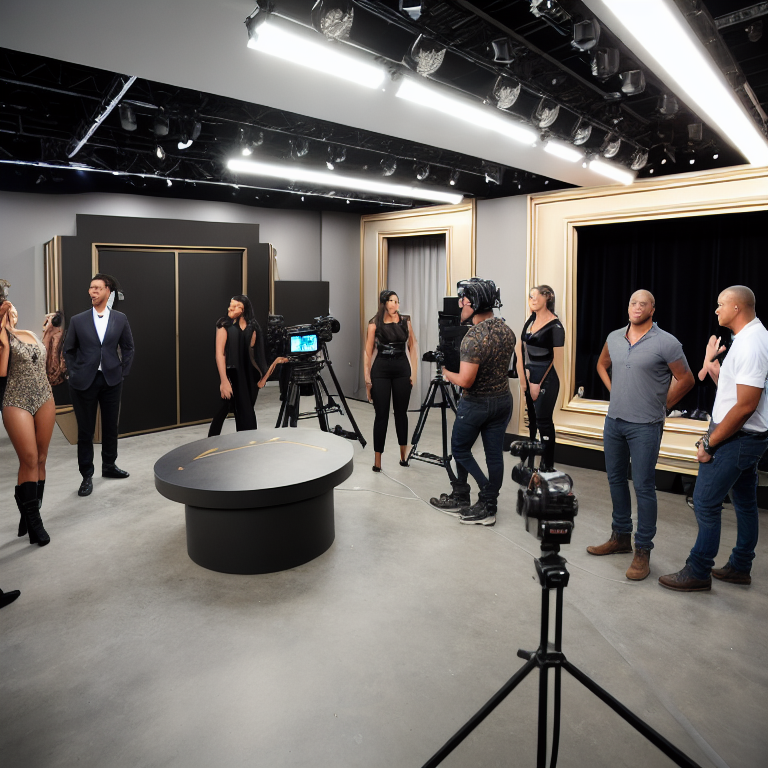










Reality TV has been a staple of entertainment for decades, drawing millions of viewers with its mix of drama, competition, and real-life situations. But how much of what we see is actually real? Many people wonder if the fights, romances, and shocking twists are genuine or just cleverly crafted for our entertainment. In this article, we’ll dive into the world of reality TV to uncover the truth behind the most common myths and reveal what’s really happening when the cameras are rolling.
Reality shows often blur the line between fact and fiction, leaving viewers questioning the authenticity of what they’re watching. While some events may be spontaneous, many are carefully orchestrated to create engaging content. Understanding the behind-the-scenes mechanics can help you become a more informed viewer and appreciate the craft that goes into producing these shows. Let’s explore some of the biggest myths and uncover the reality behind the drama.
###TITLE_START###
The Myth of Complete Spontaneity
One of the biggest misconceptions about reality TV is that everything happens spontaneously. While it’s true that some moments are unscripted, most reality shows have a detailed outline or structure in place. Producers often guide participants toward certain actions or conversations to ensure the storyline progresses as planned. This doesn’t mean the emotions aren’t real, but the situations are sometimes set up to elicit specific reactions.
For example, in competition shows, challenges are designed with specific outcomes in mind. Producers might give subtle hints or create conditions that favor certain contestants. This helps maintain suspense and keeps viewers engaged. While the participants may not know the exact results, the overall direction of the show is often predetermined to some extent.
Another aspect of spontaneity is the editing process. Hours of footage are condensed into a one-hour episode, meaning only the most dramatic or entertaining moments make it to air. This selective editing can make situations seem more intense or confrontational than they actually were. Understanding this can help you see past the illusion of pure spontaneity and appreciate the storytelling involved.
###TITLE_START###
The Drama Is Real… But Enhanced
Drama is the lifeblood of reality TV, but how much of it is genuine? While conflicts and emotional moments do occur, they are often amplified for the sake of entertainment. Producers may encourage participants to confront each other or revisit sensitive topics to create compelling television. This doesn’t mean the feelings aren’t authentic, but the situations are sometimes manipulated to heighten the drama.
For instance, in shows like “The Real Housewives” or “Keeping Up with the Kardashians,” arguments and confrontations are a key part of the narrative. While the participants may have real disagreements, the timing and setting of these conflicts are often planned to maximize their impact. This strategic approach ensures that each episode has enough tension to keep viewers hooked.
Editing also plays a significant role in enhancing drama. Sound effects, music, and quick cuts can make a simple disagreement seem like a major blowout. By focusing on the most explosive moments, editors create a narrative that feels more intense than the actual events. This technique is a staple of reality TV production and helps maintain the show’s dramatic appeal.
###TITLE_START###
Romance: Love or Just for the Cameras?
Romantic storylines are a common feature in many reality shows, but how much of it is real love? While some couples do form genuine connections, others may be encouraged to pursue relationships for the sake of the show. Producers often pair participants based on compatibility or potential for drama, hoping to create engaging love stories that captivate audiences.
In dating shows like “The Bachelor” or “Love Island,” the pressure of being on camera can influence how participants behave. Some may feel compelled to act more romantically or dramatically than they normally would. This can lead to relationships that seem passionate on screen but fizzle out once the cameras stop rolling. Understanding this dynamic can help you view these love stories with a more critical eye.
It’s also worth noting that editing can create the illusion of romance where there may be none. By focusing on flirtatious interactions and intimate moments, editors can craft a love story that may not fully represent the participants’ true feelings. This selective storytelling is a powerful tool in reality TV and contributes to the myth of on-screen romance.
###TITLE_START###
The Editing Room: Where Reality Is Rewritten
Editing is one of the most powerful tools in reality TV production. It’s where hours of raw footage are transformed into a cohesive and entertaining narrative. Editors have the ability to shape the story by choosing which moments to include, how to sequence them, and what tone to set with music and sound effects. This process can significantly alter the perception of events and characters.
For example, a participant who is shown in a positive light in one episode may be portrayed as the villain in the next, depending on how their actions are edited. By emphasizing certain behaviors or reactions, editors can create a character arc that fits the show’s narrative. This manipulation of footage is a common practice and helps maintain the show’s dramatic tension.
Additionally, editing can create storylines that never actually happened. By cutting and rearranging scenes, editors can make it seem like two events occurred back-to-back when they were actually days apart. This technique is often used to build suspense or create a sense of urgency. Understanding the role of editing can help you see past the constructed narrative and appreciate the complexity of reality TV production.
###TITLE_START###
The Role of Producers: Puppet Masters or Guides?
Producers play a crucial role in shaping the reality TV experience. While they don’t control every action, they do guide participants toward certain behaviors or conversations to ensure the show remains engaging. This guidance can take many forms, from suggesting topics of discussion to creating situations that might lead to conflict. Producers act as both facilitators and storytellers, helping to craft the narrative while allowing for some level of spontaneity.
For instance, in competition shows, producers might give subtle hints or create challenges that favor certain contestants. This helps maintain suspense and keeps viewers engaged. While the participants may not know the exact results, the overall direction of the show is often predetermined to some extent. This balance between control and freedom is a key aspect of reality TV production.
Producers also play a role in managing the participants’ emotions and reactions. They may encourage contestants to express their feelings more openly or revisit sensitive topics to create compelling television. This doesn’t mean the emotions aren’t real, but the situations are sometimes manipulated to heighten the drama. Understanding the producer’s role can help you see the complexity behind the scenes.
###TITLE_START###
The Impact of Reality TV on Participants
Being on a reality show can have a significant impact on participants, both during and after filming. The pressure of being constantly filmed and the manipulation of their actions can lead to stress and anxiety. Participants may feel compelled to act in ways they normally wouldn’t, which can affect their mental health and personal relationships. Understanding these challenges can help you empathize with the people you see on screen.
After the show ends, participants often face a new set of challenges. Sudden fame can be overwhelming, and the way they are portrayed on the show can affect their personal and professional lives. Some may struggle with the transition back to normal life, while others may capitalize on their newfound fame. The reality TV experience can be a double-edged sword, offering both opportunities and challenges.
It’s also worth noting that the editing process can impact how participants are perceived by the public. A person shown as a villain on the show may face backlash from viewers, even if their real-life personality is quite different. This disconnect between on-screen and off-screen personas is a common issue for reality TV stars. Understanding these dynamics can help you view reality TV with a more critical and empathetic perspective.
###TITLE_START###
Frequently Asked Questions (FAQ)
###TITLE_START###
Are reality shows completely scripted?
No, reality shows are not completely scripted. While there is often a structure or outline in place, many events and interactions are unscripted. Producers may guide participants toward certain actions or conversations, but the emotions and reactions are usually genuine. The balance between scripting and spontaneity varies depending on the show.
###TITLE_START###
How much do editors influence the final product?
Editors have a significant influence on the final product. They select which moments to include, how to sequence them, and what tone to set with music and sound effects. This process can alter the perception of events and characters, creating a narrative that may differ from the actual events. Editing is a powerful tool in shaping the reality TV experience.
###TITLE_START###
Do participants get paid for being on reality shows?
Yes, participants on reality shows typically receive payment, though the amount varies widely depending on the show and the participant’s role. Competition show contestants may receive a stipend or prize money, while stars of long-running series often earn a per-episode fee. The payment structure is usually outlined in their contract before filming begins.
###TITLE_START###
Can reality TV affect a participant’s mental health?
Yes, being on a reality show can affect a participant’s mental health. The pressure of constant filming, manipulation of actions, and public scrutiny can lead to stress and anxiety. Some participants may struggle with the transition back to normal life or face challenges related to their portrayal on the show. It’s important to consider these factors when watching reality TV.
###TITLE_START###
Why do some reality TV relationships seem fake?
Some reality TV relationships may seem fake because they are influenced by the pressures of being on camera. Producers may encourage participants to pursue relationships for the sake of the show, and editing can create the illusion of romance where there may be none. The combination of these factors can lead to relationships that seem passionate on screen but may not reflect the participants’ true feelings.
###TITLE_START###
Conclusion
Reality TV is a fascinating blend of real-life events and carefully crafted entertainment. While some moments are genuine, many are influenced by producers, editors, and the pressures of being on camera. Understanding the myths and realities behind these shows can help you become a more informed viewer and appreciate the complexity of reality TV production. Whether you’re a fan of competition shows, dating series, or lifestyle programs, knowing what’s real and what’s just for drama can enhance your viewing experience.
As you watch your favorite reality shows, keep in mind the behind-the-scenes dynamics that shape the narrative. Remember that while the drama may be real, it’s often enhanced for entertainment purposes. By approaching reality TV with a critical eye, you can enjoy the show while also understanding the craft that goes into creating it. Happy viewing!