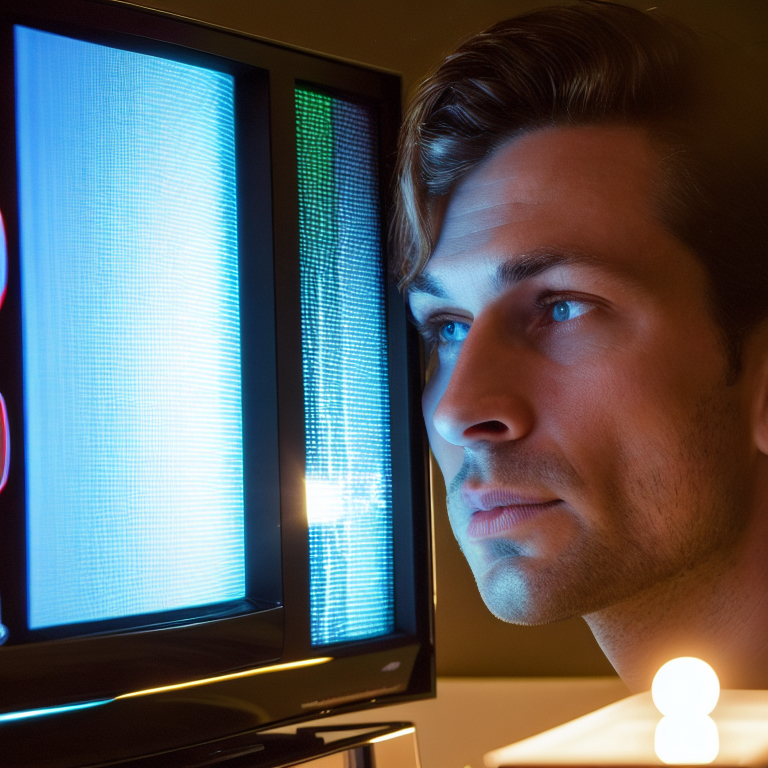










You’re sitting on your couch, fully absorbed in the latest episode of your favorite TV drama. The clock creeps toward the end, and suddenly… everything stops. A character’s fate hangs in the balance. A secret is exposed. A shocking twist leaves you stunned.
That’s the power of a well-crafted cliffhanger.
Cliffhangers aren’t just cheap tricks to keep viewers hooked—they’re carefully designed moments that tap into human psychology, our need for closure, and our love of suspense. Once you understand how they work, you’ll start noticing them everywhere—and appreciating the skill behind them.
Why We Can’t Resist a Good Cliffhanger
Our brains are wired to seek answers. When a story leaves us hanging, it creates what psychologists call a “knowledge gap”—the uncomfortable space between what we know and what we want to know.
This gap fuels curiosity and keeps the story alive in our minds long after the episode ends.
TV writers understand this perfectly. They use cliffhangers to create maximum uncertainty at just the right moment—often right before a commercial break or season finale—making it almost impossible to stop watching.
The Science Behind the Hook
Cliffhangers don’t just feel exciting—they actually trigger chemical reactions in the brain.
Studies show that suspense activates the brain’s reward system, releasing dopamine—the same chemical linked to pleasure, motivation, and habit formation. This creates a loop: the more suspense we feel, the more we want resolution.
Research in media psychology also suggests that cliffhangers increase emotional investment in characters and improve long-term attention. In simple terms, they make you care more—and keep watching longer.
Common Cliffhanger Patterns
Not all cliffhangers are equal. Many follow recognizable patterns:
- Life-or-Death Scenario
A character faces mortal danger—shot, trapped, or falling—and the scene cuts before we know the outcome. - Secret Revealed
A shocking truth changes everything—hidden identities, betrayals, or unexpected connections. - The Betrayal Twist
A trusted character makes a shocking move, flipping the story upside down. - The Impossible Choice
A character must choose between two devastating options, with no clear right answer.
Once you recognize these patterns, you’ll start predicting them—though the best shows still find ways to surprise you.
Timing Is Everything
A great cliffhanger isn’t just about what happens—it’s about when it happens.
Writers place these moments at peak emotional intensity, when viewers are most connected to the story. Early episodes use cliffhangers to build momentum, while season finales use them to keep audiences waiting months for answers.
The Role of Commercial Breaks
Traditional TV shaped the way cliffhangers work.
Writers often create mini-cliffhangers before ad breaks to stop viewers from switching channels. Even though streaming platforms don’t rely on ads, they still use similar pacing because it’s proven to keep viewers engaged.
Autoplay features take it even further—removing the pause and making it effortless to continue.
Cliffhangers Beyond TV
This effect isn’t limited to entertainment.
In real life, waiting for exam results, job decisions, or important news creates the same psychological tension. That sense of “unfinished business” is what keeps us emotionally invested.
Cliffhangers simply package that feeling into storytelling.
How to Spot a Cliffhanger Coming
You can often predict a cliffhanger if you notice:
- The story building toward a major reveal
- A character making a risky decision
- Unresolved tension between characters
- A sudden shift in pacing
- Dramatic music or camera focus
If a scene feels “too calm” or “too perfect,” there’s a good chance a twist is about to hit.
How Cliffhangers Have Evolved
Modern shows have moved beyond simple shock value.
Instead of just physical danger, many now focus on psychological tension, moral dilemmas, and character-driven suspense. Some even use anti-cliffhangers—moments that seem dramatic but deliberately subvert expectations.
This evolution keeps storytelling fresh and unpredictable.
The Business Behind the Drama
Cliffhangers aren’t just creative—they’re strategic.
They reduce viewer drop-off, increase binge-watching, and encourage word-of-mouth. Conversations like “Did you see what happened?” are exactly what producers want.
Streaming platforms amplify this with autoplay and countdown timers, making it even harder to stop watching.
Cultural Impact
The best cliffhangers go beyond the screen.
They dominate social media, spark debates, and become part of pop culture. Iconic moments are remembered, referenced, and even parodied for years.
They turn shows into shared experiences.
Using Cliffhangers Responsibly
There’s a fine balance.
Overusing cliffhangers can feel manipulative and lead to viewer fatigue. The best writers use them to enhance strong storytelling—not replace it.
When done right, they deepen emotional impact rather than just shock the audience.
Learning from the Masters
Some shows have perfected the art:
- Breaking Bad → moral dilemmas and consequences
- Game of Thrones → shocking deaths and betrayals
- Lost → long-term mysteries and unanswered questions
Each uses suspense differently, but all understand how to keep audiences hooked.
The Future of Cliffhangers
As technology evolves, so does storytelling.
Interactive content, AI-driven recommendations, and even personalized narratives may shape how suspense is delivered in the future. But one thing won’t change—our love for a good mystery.
How to Enjoy Cliffhangers More
Understanding cliffhangers doesn’t ruin the experience—it enhances it.
You’ll start noticing the setup, the foreshadowing, and the storytelling craft behind each moment. Watching with friends and predicting outcomes can make it even more engaging.
Just don’t expect to guess everything—great stories always keep a few surprises.
FAQ
Why do cliffhangers feel frustrating?
Because they interrupt our need for closure, creating tension that demands resolution.
Are cliffhangers used in all TV shows?
Mostly in serialized dramas and thrillers. Sitcoms and procedural shows use them less often.
Do streaming platforms use cliffhangers differently?
Yes. Without ad breaks, they often use longer, more complex suspense arcs.
Can cliffhangers hurt storytelling?
If overused, yes. They should support strong storytelling, not replace it.
Why are some cliffhangers predictable?
Because they follow familiar patterns. The best ones hide their setup and surprise you.
Conclusion
Cliffhangers are one of the most powerful tools in storytelling. They tap into our psychology, build emotional investment, and keep us coming back for more.
The next time a show leaves you hanging, take a moment to notice the craft behind it—the timing, the tension, and the setup. That frustration you feel? It’s not accidental. It’s designed.
And that’s exactly why it works.