









Reality TV shows make you think you’re watching real life unfold naturally. But what you see on screen is actually carefully crafted by editors who use specific tricks to create drama, tension, and excitement. These editing techniques shape how we feel about the people and situations we watch, often without us even realizing it.
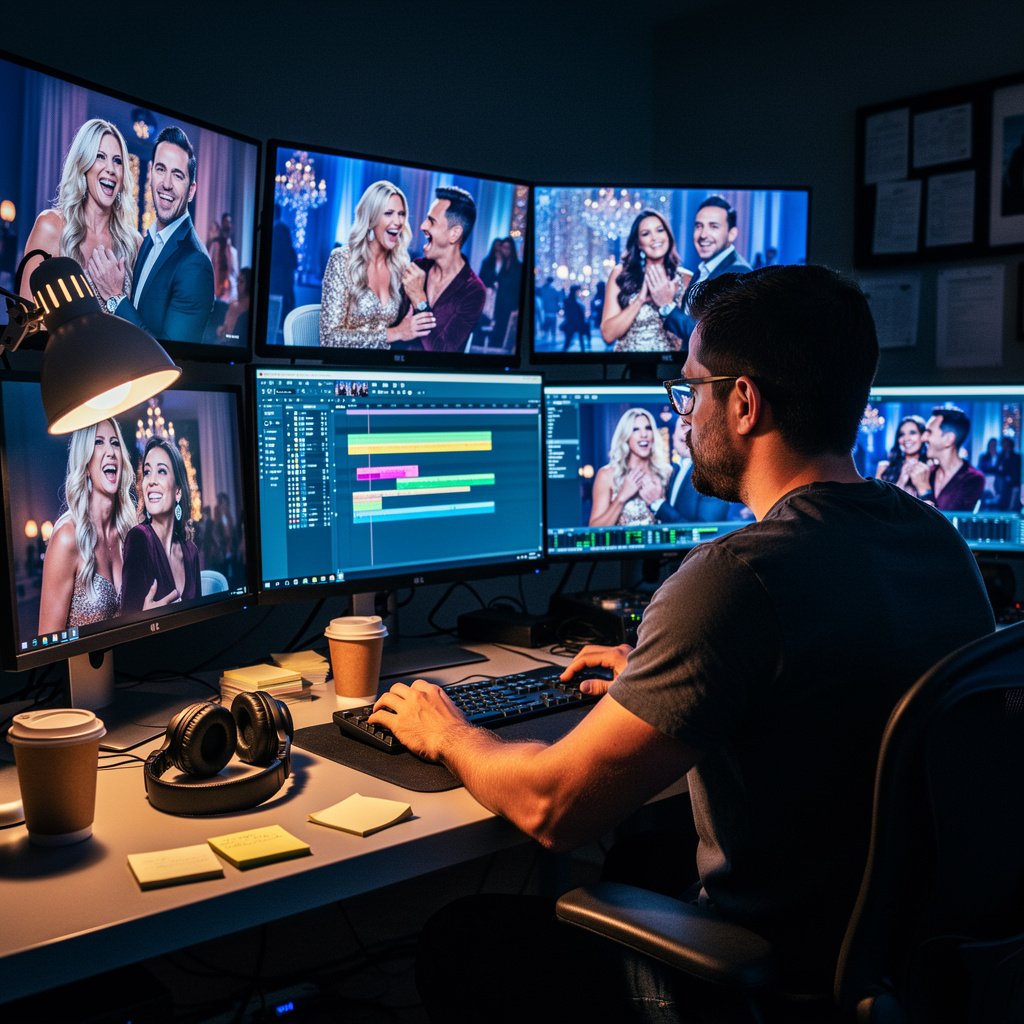
The magic of reality TV editing lies in how editors can take hours of raw footage and turn it into compelling stories that keep us glued to our screens. They use timing, music, sound effects, and clever cutting techniques to guide our emotions and make us root for certain people or against others.
How Editors Create Drama Through Timing
Reality TV editors are masters at controlling the pace of a story. They know exactly when to cut quickly between shots to build excitement or when to hold on a moment to create tension. Quick cuts during arguments make conflicts feel more intense, while slow reveals can make surprising moments even more dramatic.
Editors often manipulate time to serve the story. A 30-second conversation might be stretched across several minutes with reaction shots, voiceovers, and establishing scenes. This technique makes ordinary moments feel more significant and gives viewers time to process what’s happening emotionally.
Music and sound effects play a huge role in timing. The right song can turn a simple conversation into a romantic moment or a tense standoff. Sound effects like door slams, gasps, or dramatic stings are added in post-production to emphasize key moments and guide our emotional response.
The Art of Creating Storylines from Chaos
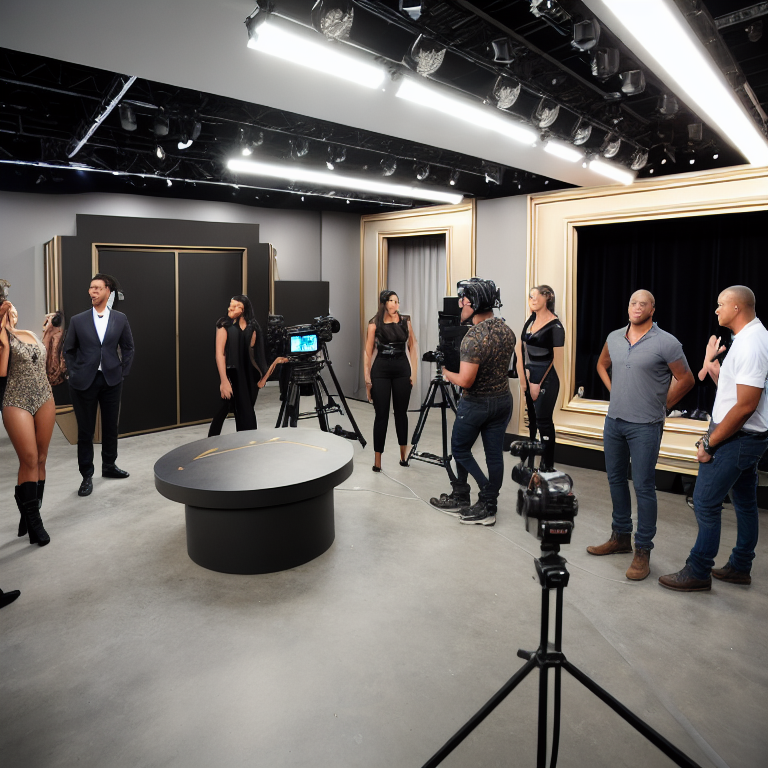
When cameras roll on reality TV, they capture everything – the boring moments, the mundane conversations, and the occasional dramatic outbursts. Editors sift through all this footage to find the story threads that will become the show’s narrative.
They look for patterns in behavior, recurring conflicts, and moments of vulnerability that can be woven together into a coherent storyline. Sometimes they’ll take a comment made on day one and pair it with footage from day ten to create the illusion that everything happened in a single dramatic sequence.
Character arcs are carefully constructed through editing. Someone who was initially portrayed as difficult might be shown growing and changing over the course of the season. Or a seemingly nice person might be edited to reveal “hidden” negative traits through selective footage choices.
Reaction Shots: The Secret Weapon of Reality TV
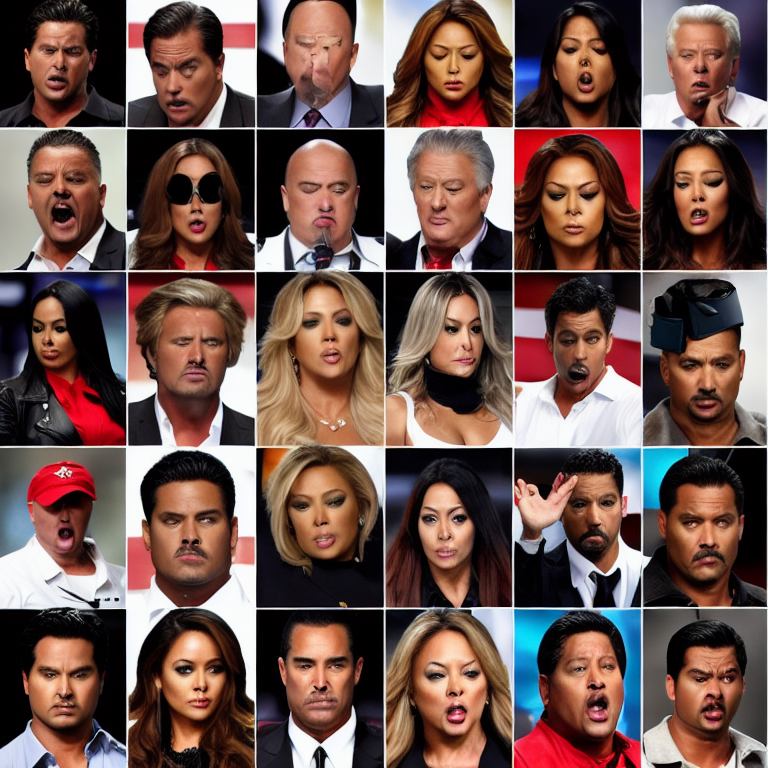
One of the most powerful editing tricks is the use of reaction shots. These are cutaway shots of people reacting to something that was said or happened, but they’re often not shown in the order they actually occurred.
A person might be shown reacting to something that happened hours later, or their reaction might be taken from a completely different conversation. This technique allows editors to create the perfect emotional response to match the dialogue or situation they want to emphasize.
Reaction shots also give viewers important information about how to feel. When we see someone looking shocked, concerned, or happy, it influences our own emotional response to the scene. Editors use this to guide our sympathies and build connections with certain characters.
The Power of Selective Audio Editing
Audio editing in reality TV is just as important as visual editing. Background noise is removed or enhanced, conversations are cleaned up, and voiceovers are added to provide context or commentary that wasn’t in the original footage.
Sometimes dialogue is taken out of context or pieced together from different conversations to create new meaning. A sentence might start with one person’s words and end with another’s, making it seem like a single continuous thought when it was actually recorded at different times.
Sound effects are added to enhance drama – a glass breaking might be amplified to make an argument seem more intense, or dramatic music might be layered under a conversation to make it feel more significant than it actually was.
Creating Conflict Through Editing
Conflict is the heart of most reality TV shows, and editors are experts at manufacturing it even when it doesn’t naturally exist. They do this by highlighting disagreements, taking comments out of context, or showing only one side of an argument.
If two people had a brief disagreement that was resolved quickly, editors might show only the tense moments and cut out the resolution. This makes the conflict seem bigger and more dramatic than it actually was in real life.
Editors also create conflict by juxtaposing different scenes or conversations. Showing someone being nice to one person immediately followed by them being mean to another can create the impression of two-faced behavior, even if those moments happened days apart.
The Role of Music in Shaping Emotions
Music is perhaps the most powerful tool editors use to manipulate our emotions. A tense scene with scary music makes us feel anxious, while the same scene with romantic music makes us feel warm and fuzzy. Editors choose music carefully to guide our emotional journey through each episode.
Upbeat music can make boring activities seem fun, while dramatic music can make simple conversations feel like major confrontations. The tempo, volume, and style of music all contribute to how we perceive what’s happening on screen.
Sometimes editors will use silence strategically – removing background music during particularly emotional moments to make them feel more raw and authentic. This contrast between musical and non-musical scenes helps control the emotional rhythm of the show.
How Confessionals Shape Our Understanding
Confessionals are those interview segments where cast members talk directly to the camera about what’s happening in the show. These are incredibly important for shaping the narrative because they provide context, commentary, and character insights that might not be obvious from the raw footage.
Editors use confessionals to explain motivations, provide backstory, or create drama by having someone comment on events before they happen on screen. This creates anticipation and helps viewers understand the significance of upcoming scenes.
The way confessionals are edited also matters. Questions from producers are often removed, and answers are cut and rearranged to create the most compelling narrative. Sometimes confessionals are recorded days or weeks after the events they’re discussing, but they’re presented as if they’re happening in real-time.
The Ethics of Reality TV Editing
While these editing tricks create entertaining television, they raise important ethical questions. Are viewers being deceived when scenes are manipulated or taken out of context? How much responsibility do networks and producers have to show events accurately?
Most reality TV participants sign contracts acknowledging that their footage may be edited for dramatic purposes. However, this doesn’t address the broader issue of whether it’s ethical to create narratives that might misrepresent people’s true personalities or the reality of situations.
Some argue that all storytelling involves some degree of manipulation, and that reality TV is simply entertainment rather than journalism. Others believe that viewers deserve more transparency about how their favorite shows are constructed.
The Future of Reality TV Editing
As technology advances, reality TV editing techniques are becoming even more sophisticated. AI tools can now analyze hours of footage to find the most dramatic moments automatically. Virtual and augmented reality might allow for new ways to experience reality TV content.
Streaming platforms have also changed how reality TV is edited. Without commercial breaks, editors can create different pacing and storytelling structures. Some shows are experimenting with interactive elements where viewers can choose different camera angles or story paths.
The demand for authenticity in media might push reality TV toward more transparent editing practices. Some shows are already experimenting with “unfiltered” versions that show more of the unedited footage alongside the dramatic cuts.
Frequently Asked Questions
How much of reality TV is actually real?
Most reality TV shows are heavily edited and produced, but they typically start with real situations and real people. The drama you see is usually based on actual events, but the way those events are presented is carefully crafted by editors to create the most compelling story.
Do reality TV stars get paid for their appearances?
Yes, most reality TV participants receive payment, though the amount varies widely depending on the show’s budget and the person’s role. Some stars of major shows can earn thousands of dollars per episode, while participants in smaller productions might receive only a daily stipend or travel expenses.
Can people sue reality TV shows for how they’re portrayed?
While it’s possible to sue for defamation or misrepresentation, most reality TV contracts include clauses that protect the production company from legal action related to editing and portrayal. However, if someone can prove that the editing was intentionally malicious or caused significant harm, they might have a case.
How long does it take to edit a reality TV episode?
The editing process for a single episode typically takes several weeks to a couple of months. Editors work with producers to review all footage, select the best moments, construct storylines, and refine the final cut. Major shows might have multiple editing teams working simultaneously on different episodes.
Why do some reality TV shows feel more “fake” than others?
The level of editing and production varies significantly between different reality TV shows. Some shows pride themselves on authenticity and minimal manipulation, while others embrace dramatic editing as part of their entertainment value. The genre you’re watching and the network producing it often indicates how heavily edited the content might be.
Conclusion
Reality TV editing is a sophisticated art form that transforms hours of ordinary footage into compelling entertainment. The techniques editors use – from timing and music to selective audio and strategic confessionals – create the drama, emotion, and storylines that keep us watching episode after episode.
While these editing tricks might sometimes misrepresent reality, they serve the fundamental purpose of storytelling. Understanding how reality TV is constructed can help us become more critical viewers while still enjoying the entertainment these shows provide. The next time you watch your favorite reality show, try to spot some of these editing techniques and appreciate the craft that goes into creating the drama you love.
As reality TV continues to evolve with new technologies and changing viewer expectations, editing will remain at the heart of how these shows are made and experienced. Whether you see it as manipulation or masterful storytelling, there’s no denying that reality TV editing has become an essential part of modern entertainment culture.