





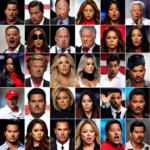


When you turn on your TV or go to the movies these days, you’ll notice something different from just a decade ago. The faces on screen look more like the world we actually live in. This change didn’t happen by accident. It’s the result of years of hard work by people who believe everyone deserves to see themselves represented in the stories we tell.
The entertainment industry has been changing fast, and diversity is at the heart of this transformation. From who gets cast in leading roles to who sits in the director’s chair, representation matters now more than ever. This shift isn’t just about being politically correct – it’s about telling better stories that connect with more people and reflect our diverse reality.
Let me walk you through how diversity is shaping modern entertainment and why this matters for all of us who love movies, TV shows, and streaming content.
The Numbers Tell the Story
Recent studies show that audiences are demanding more representation. According to a 2023 Nielsen report, shows with diverse casts consistently outperform those without them in viewership and engagement. This isn’t just a trend – it’s becoming the new normal.
Streaming platforms have led the charge in this diversity revolution. Netflix, Hulu, and others have invested heavily in content from underrepresented creators. Shows like “Never Have I Ever,” created by Mindy Kaling, or “Ramy,” created by Ramy Youssef, wouldn’t have found homes on traditional networks just a few years ago. Now they’re winning awards and building passionate fanbases.
Breaking Down Old Barriers
For decades, Hollywood operated on a pretty narrow definition of who could be a leading man or lady. The “default” was often white, able-bodied, and straight. But that’s changing rapidly. Actors like Simu Liu, who became the first Asian Marvel superhero in “Shang-Chi,” or Halle Bailey, who took on the iconic role of Ariel in “The Little Mermaid,” are breaking down barriers that once seemed impossible to overcome.
This shift extends beyond just casting. Behind the camera, we’re seeing more directors, writers, and producers from diverse backgrounds getting the chance to tell their stories. Directors like Chloe Zhao, who won an Oscar for “Nomadland,” or Steven Yeun, who earned an Oscar nomination for “Minari,” are proving that great storytelling knows no boundaries.
Reality TV’s Role in Representation
Reality television has actually been ahead of the curve in many ways when it comes to diversity. Shows like “The Real Housewives” franchise feature casts that are more diverse than many scripted shows. Dating shows like “Love Is Blind” have made conscious efforts to include contestants from various backgrounds.
If you’re curious about how reality TV handles diversity, check out our article on reality TV secrets to see what really happens behind the scenes. The genre has faced criticism for sometimes exploiting differences for drama, but it’s also provided platforms for voices that might not otherwise be heard.
The Economic Impact
Here’s something that might surprise you: diversity in entertainment isn’t just good for society – it’s good for business. A study by the Creative Artists Agency found that films with diverse casts earn more at the box office globally. Movies like “Black Panther,” “Crazy Rich Asians,” and “Everything Everywhere All At Once” have proven that stories centered on underrepresented communities can be massive commercial successes.
Streaming services have taken notice. They’re investing in international content from places like South Korea, India, and Nigeria, recognizing that audiences want stories from around the world. This global approach to content creation is creating new opportunities for creators everywhere.
Challenges That Remain
Despite the progress, significant challenges remain. A 2022 report from the University of Southern California found that while representation on screen has improved, behind-the-scenes diversity still lags. Women and people of color remain underrepresented in key creative positions like writers, directors, and producers.
There’s also the ongoing debate about authentic representation versus tokenism. Simply casting a diverse actor isn’t enough if the character is a stereotype or if the story is told through a limited perspective. The industry is still learning how to tell authentic stories that honor different experiences.
How Audiences Are Responding
Viewers are voting with their remote controls. Streaming data shows that audiences actively seek out diverse content. Shows like “Squid Game,” “Bridgerton,” and “Insecure” have sparked conversations and built communities around shared viewing experiences.
Social media has amplified these conversations. When a show or movie gets representation right, fans celebrate it online. When it misses the mark, critics are quick to point it out. This immediate feedback loop is pushing the industry to do better.
The Future of Diverse Entertainment
Looking ahead, the trend toward greater diversity shows no signs of slowing down. Young audiences especially expect to see themselves and others represented authentically. Gen Z viewers, in particular, are more likely to engage with content that reflects the world’s diversity.
Emerging technologies like virtual production and AI are creating new opportunities for diverse storytelling. Independent creators are finding ways to reach audiences directly through platforms like YouTube and TikTok, bypassing traditional gatekeepers entirely.
What This Means for Creators
For aspiring creators from underrepresented backgrounds, the landscape has never been more promising. Film schools are seeing increased diversity in their student bodies. Programs like the Sundance Institute’s various labs provide mentorship and funding for diverse voices.
The key for creators is to tell specific, authentic stories. The most successful diverse content tends to be deeply rooted in particular experiences rather than trying to represent entire communities. This authenticity is what resonates with audiences.
Industry Initiatives Making a Difference
Several initiatives are working to accelerate change in the entertainment industry. The Academy of Motion Picture Arts and Sciences has implemented diversity requirements for Oscar eligibility. Organizations like Color Of Change and GLAAD advocate for better representation and hold the industry accountable.
Production companies are also taking steps. Many now have diversity and inclusion departments. Some require diverse hiring for both cast and crew on their projects. These institutional changes are helping to create lasting transformation.
The Global Perspective
Diversity in entertainment isn’t just an American story. Around the world, local content is gaining international audiences. K-pop and Korean dramas have become global phenomena. Bollywood continues to expand its reach. Nollywood, Nigeria’s film industry, is the world’s second-largest by volume.
This global exchange of stories is creating a richer, more diverse entertainment landscape for everyone. Audiences are becoming more sophisticated, seeking out content from different cultures and perspectives.
Technology’s Role
Technology is both enabling and demanding greater diversity. Streaming platforms can cater to niche audiences that traditional broadcast couldn’t reach. Social media allows creators to build direct relationships with fans. Data analytics help companies understand what diverse audiences want to watch.
Virtual and augmented reality are opening new frontiers for immersive storytelling. These technologies could allow for even more diverse representation, letting users experience stories from different perspectives.
The Importance of Intersectionality
Modern discussions about diversity recognize that people have multiple, overlapping identities. An Asian woman’s experience differs from an Asian man’s, which differs from a queer Asian person’s experience. The entertainment industry is slowly learning to represent these intersections authentically.
Shows like “Pose,” which centered trans women of color, or “Atypical,” which featured a character with autism, demonstrate the power of intersectional storytelling. These nuanced portrayals resonate because they reflect the complexity of real human experience.
Looking at Reality TV Through a New Lens
Reality TV has become a fascinating case study in diversity representation. While scripted content has made significant strides, unscripted shows still struggle with some issues. However, they’ve also provided platforms for diverse voices in ways that scripted content sometimes hasn’t.
If you’re interested in how reality TV handles these issues, our article on reality TV myths explores what’s real and what’s just for drama. The genre continues to evolve as producers learn from both successes and missteps.
The Role of Critics and Awards
Film critics and award shows play a crucial role in shaping conversations about diversity. When organizations like the Golden Globes or the Academy Awards face criticism for lack of diversity, it pushes them to change. The #OscarsSoWhite movement, for instance, led to significant reforms in Academy membership and voting procedures.
Critics also help audiences discover diverse content they might otherwise miss. Reviews and recommendations can bring attention to smaller, diverse films and shows that deserve recognition.
Educational Impact
Perhaps one of the most important aspects of diverse entertainment is its educational value. When we see stories from different perspectives, it builds empathy and understanding. A teenager in Iowa might learn about the immigrant experience through a show like “Master of None.” Someone unfamiliar with the LGBTQ+ community might gain insight from “RuPaul’s Drag Race.”
This educational aspect extends to creators as well. As more diverse stories are told, it expands the creative vocabulary of the entire industry, leading to more innovative and interesting content.
The Business Case for Diversity
Beyond the moral arguments, there’s a strong business case for diversity in entertainment. Diverse teams are proven to be more creative and innovative. They bring different perspectives that can identify opportunities and avoid blind spots.
Companies that embrace diversity also tend to perform better financially. A study by McKinsey found that companies in the top quartile for ethnic and cultural diversity were 36% more likely to have above-average profitability.
Audience Responsibility
While much of the responsibility for change falls on the industry, audiences also play a role. By supporting diverse content – watching it, discussing it, recommending it – viewers send a clear message about what they want to see.
Social media has given audiences unprecedented power to influence the industry. Fan campaigns have successfully advocated for renewals of diverse shows or called out problematic content. This active engagement is helping to shape the future of entertainment.
Conclusion
The role of diversity in shaping modern entertainment is profound and ongoing. What we’re witnessing isn’t just a temporary trend but a fundamental shift in how stories are told and who gets to tell them. From the movies we watch to the shows we binge, representation matters because it affects how we see ourselves and others.
The progress made so far is encouraging, but there’s still work to be done. The most exciting part is that we’re just getting started. As technology evolves and new voices emerge, the future of entertainment promises to be more diverse, more interesting, and more reflective of our shared human experience than ever before.
If you’re looking for entertainment that celebrates diversity, check out our recommendations for reality shows for couples to watch together. You might discover some gems that showcase the best of what modern, inclusive entertainment has to offer.
The entertainment industry’s journey toward true diversity is far from over, but the direction is clear. Every time we see ourselves or learn about others through the stories on our screens, we’re participating in a more inclusive cultural conversation. And that’s something worth celebrating.