
In the complex and often opaque world of financial protection, identifying the best UK insurance can feel like a formidable task. Consumers are bombarded with countless options, each promising unparalleled security and value. This article aims to cut through the marketing rhetoric, offering a precise and analytical critique of what truly constitutes superior insurance in the United Kingdom. Our objective is to equip you with the insights necessary to make an informed decision, ensuring your chosen policy genuinely protects your assets and well-being without unnecessary expenditure or hidden compromises.
Defining ‘Best’: A Multifaceted Perspective
The concept of ‘best’ in insurance is inherently subjective, yet certain objective criteria allow for critical evaluation. It extends far beyond merely securing the lowest premium. A truly optimal policy must balance comprehensive coverage with competitive pricing, underpinned by robust customer service and an efficient, transparent claims process. Many policies appear attractive initially but fall short when it matters most – during a claim event. Therefore, a critical assessment necessitates a holistic view, scrutinizing not only the policy terms but also the insurer’s operational integrity and financial stability.
Understanding the nuances of policy wording is paramount. Exclusions, excesses, and specific terms often dictate the true value of a policy. The cheapest option frequently comes with significant limitations that can render it inadequate in a crisis. Our analysis will focus on identifying providers that consistently deliver on their promises, offering clear terms and reliable support.
Key Pillars of UK Insurance: A Critical Overview
The UK insurance market is segmented into several major categories, each addressing distinct risk profiles. Evaluating the top UK insurers requires a granular look at how they perform across these essential pillars.
Car Insurance: Navigating the Road Ahead
Car insurance is a legal necessity for all drivers in the UK, yet finding the optimal policy remains a perennial challenge. The market is dominated by three primary types: Third Party Only (TPO), Third Party Fire and Theft (TPFT), and Comprehensive. While TPO is the most basic and often the cheapest, it offers minimal protection, covering only damages to other vehicles and individuals. Comprehensive policies, conversely, provide the broadest cover, including damage to your own vehicle, regardless of fault.
Critical evaluation of car insurance providers should focus on more than just the headline price. Assess the excess amount, any no-claims bonus protection options, courtesy car provision, and breakdown cover inclusions. Some insurers offer telematics policies, particularly for younger drivers, which can reduce premiums based on driving behaviour. While potentially cost-effective, these policies introduce surveillance and may not suit all drivers. Scrutinize reviews regarding their claims handling efficiency, as this is where many seemingly good policies falter.
Home Insurance: Protecting Your Sanctuary
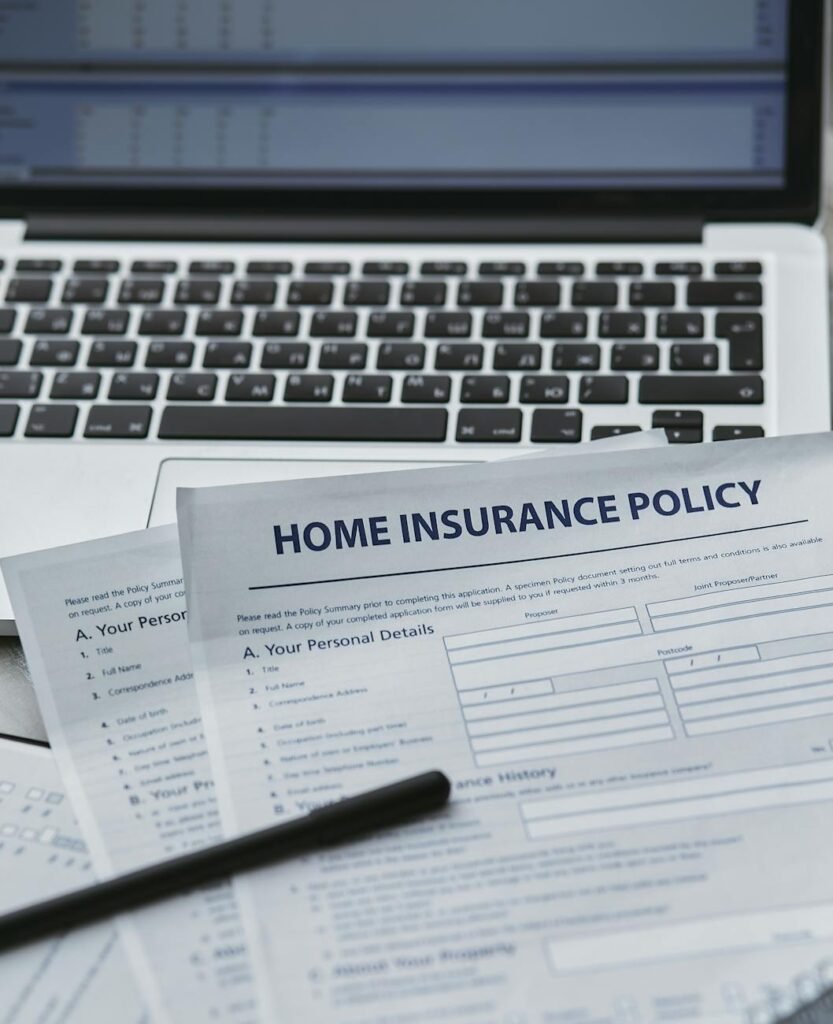
Home insurance typically comprises two components: buildings insurance and contents insurance. Buildings insurance covers the structure of your home against perils such as fire, flood, and subsidence. Contents insurance protects your belongings within the home. For renters, only contents insurance is usually necessary, while homeowners often require both.
When selecting a provider for comprehensive UK coverage for your home, pay close attention to the sum insured – ensuring it accurately reflects the rebuild cost of your property, not its market value. For contents, consider whether ‘new for old’ cover is included, and if high-value items require separate specification. Accidental damage cover is a crucial add-on often overlooked. Evaluate the insurer’s policy on alternative accommodation in the event your home becomes uninhabitable, and their flexibility regarding home-based businesses or lodgers, which can sometimes invalidate standard policies.
Life Insurance: Securing Your Legacy
Life insurance provides a financial payout to your beneficiaries upon your death, offering crucial security for dependents. The two main types are term life insurance and whole life insurance. Term life insurance covers a specific period, making it generally more affordable. Whole life insurance, conversely, covers you for your entire life, often accumulating a cash value.
Choosing the best life insurance policy UK involves careful consideration of your financial obligations, dependents’ needs, and the policy term. Critical illness cover, often available as an add-on, pays out a lump sum if you are diagnosed with a specified serious illness. When comparing providers, assess their underwriting process, the clarity of their policy terms regarding payouts, and their financial strength ratings. A policy is only as good as the insurer’s ability to pay out promptly and fairly when the time comes.
Health Insurance: Prioritising Well-being
Private medical insurance (PMI) in the UK offers access to private healthcare services, often with shorter waiting times and greater choice of specialists and facilities compared to the NHS. Policies vary significantly in scope, from basic cover for inpatient treatment to comprehensive plans including outpatient care, therapies, and mental health support.
A critical analysis of health insurance options requires a detailed examination of what is explicitly covered and, more importantly, what is excluded. Pre-existing conditions are a common exclusion, though some policies offer limited cover after a qualifying period. Evaluate the excess levels, hospital networks, and any no-claims discounts. The leading insurance providers Britain in this sector often distinguish themselves through the breadth of their specialist networks and the efficiency of their authorization processes. It is essential to understand the claims journey and the support available during treatment.
Travel Insurance: Global Protection
Travel insurance is essential for mitigating risks associated with holidays and business trips, from medical emergencies abroad to lost luggage and trip cancellations. Policies can be single-trip or annual multi-trip, with varying levels of cover for medical expenses, personal belongings, cancellation, and personal liability.
When seeking optimal protection UK for your travels, scrutinize the medical expense limits – ensuring they are sufficient for your destination, particularly for countries like the USA. Pre-existing medical conditions must be declared, as failure to do so can invalidate a claim. Adventurous activities, winter sports, and specific gadgets often require additional cover. Pay close attention to the excess applicable to different claim types and the policy’s stance on travel disruption, especially in an era of frequent airline changes and cancellations. A robust policy provides peace of mind, not just a certificate.
Pet Insurance: Caring for Companions
Pet insurance helps cover the cost of veterinary treatment if your pet falls ill or is injured. Policies typically include accident-only, time-limited, maximum benefit, and lifetime cover. Lifetime cover is generally the most comprehensive, resetting the vet fee limit each year, making it ideal for chronic conditions.
Evaluating pet insurance requires understanding the nuances of each policy type. Pay attention to the annual vet fee limit, the excess, and whether dental treatment or behavioural issues are covered. As with health insurance, pre-existing conditions are a significant factor; many policies will not cover conditions your pet had before the policy started. Compare the range of conditions covered and the ease of making claims, as vet bills can escalate rapidly. The essential British policies for pets should offer clear terms and a straightforward claims process.
Beyond the Premium: Value, Service, and Claims Efficacy
While price comparison websites offer a convenient starting point for comparing UK insurance options, they rarely provide the full picture. The cheapest policy is seldom the best. True value is derived from a combination of comprehensive coverage, reliable customer service, and a transparent, efficient claims process. Many insurers excel in marketing low premiums but falter significantly when a policyholder needs to make a claim. This is a critical point of failure for many providers.
Investigate independent reviews and financial strength ratings. Entities like Defaqto provide impartial ratings on policy features, while platforms such as Trustpilot offer insights into customer service and claims experiences. A financially robust insurer is more likely to honour its commitments, while strong customer feedback indicates a provider that prioritizes its policyholders.
The claims process itself is a crucial differentiator. A streamlined, empathetic, and rapid claims service can significantly reduce stress during an unfortunate event. Conversely, a convoluted or adversarial process can exacerbate an already difficult situation. Prioritize insurers known for their integrity and responsiveness in claims handling.
The Regulatory Framework and Consumer Protection
The UK insurance market is regulated by the Financial Conduct Authority (FCA), which aims to ensure fair treatment of customers. This regulatory oversight provides a layer of protection, but it does not absolve consumers of their responsibility to critically assess policies. Should disputes arise, the Financial Ombudsman Service (FOS) offers an independent avenue for resolution. Understanding these protections is vital, as they provide recourse if an insurer fails to meet its obligations.
However, relying solely on regulatory bodies is insufficient. Proactive due diligence, including thorough reading of policy documents and asking pertinent questions, remains the consumer’s primary defence against unsuitable policies. The onus is ultimately on the individual to secure protection that genuinely aligns with their requirements.
Strategic Selection for Enduring Protection
Selecting the best UK insurance is not a one-time decision but an ongoing process requiring periodic review. Life circumstances change, as do market offerings and personal risk profiles. What was optimal five years ago may now be insufficient or excessively priced. Regularly comparing policies, re-evaluating coverage needs, and scrutinizing terms are essential practices for maintaining robust and cost-effective protection.
Focus on insurers with a proven track record of integrity, financial stability, and positive customer experiences. Prioritize clear policy wording over ambiguous promises. Ask direct questions about exclusions, excesses, and the claims process before committing. By adopting an analytical and critical approach, consumers can navigate the complexities of the UK insurance market, securing policies that offer genuine peace of mind and reliable financial security when it matters most.