









Have you ever watched your favorite reality TV show and wondered what’s really happening when the cameras aren’t rolling? The truth is, what you see on screen is just the tip of the iceberg. Reality TV is a fascinating world where entertainment meets careful production, and the behind-the-scenes stories are often more dramatic than what makes it to your screen.
Reality TV shows have become a huge part of our entertainment culture, but most viewers don’t realize how much work goes into creating those seemingly spontaneous moments. From the casting process to the final edit, every step is carefully planned and executed to create the most engaging content possible.
How Reality TV Shows Really Start
Before a single frame is shot, reality TV shows go through an extensive casting process that most people never see. Producers aren’t just looking for interesting personalities – they’re searching for specific character types that will create drama and entertainment. This means they often cast people who will naturally clash or have conflicting goals.
The casting process can take months, with producers reviewing thousands of applications and conducting multiple interviews. They’re looking for people who are not only compelling on camera but also willing to share their personal lives with millions of viewers. Many reality TV stars are actually coached on how to present themselves and what kind of behavior will make for good television.
Once the cast is selected, they often go through media training and learn about the show’s format and expectations. Some shows even provide their cast members with guidelines about what topics to discuss and what to avoid. This preparation ensures that when filming begins, everyone knows their role in creating the show’s narrative.
The Truth About Reality TV Scripts
Here’s something that might surprise you: most reality TV shows have some form of script or outline, even if it’s not a traditional screenplay. Producers create detailed story arcs and plan key moments they want to capture. This doesn’t mean everything is fake, but it does mean that situations are often set up to encourage certain reactions or conversations.
For example, a producer might tell two cast members who have been feuding to “accidentally” run into each other at a specific location. The conversation that follows might be completely real, but the setup was orchestrated to create drama. This is why you’ll often see cast members in the same locations repeatedly – producers know these spots will generate good content.
Some shows take this even further by providing cast members with talking points or suggested topics of conversation. While the words might be their own, the direction comes from the production team. This is why you’ll sometimes see the same arguments or conflicts play out multiple times from different angles – the cameras are capturing real reactions to situations that were intentionally created.
What Happens When Cameras Stop Rolling
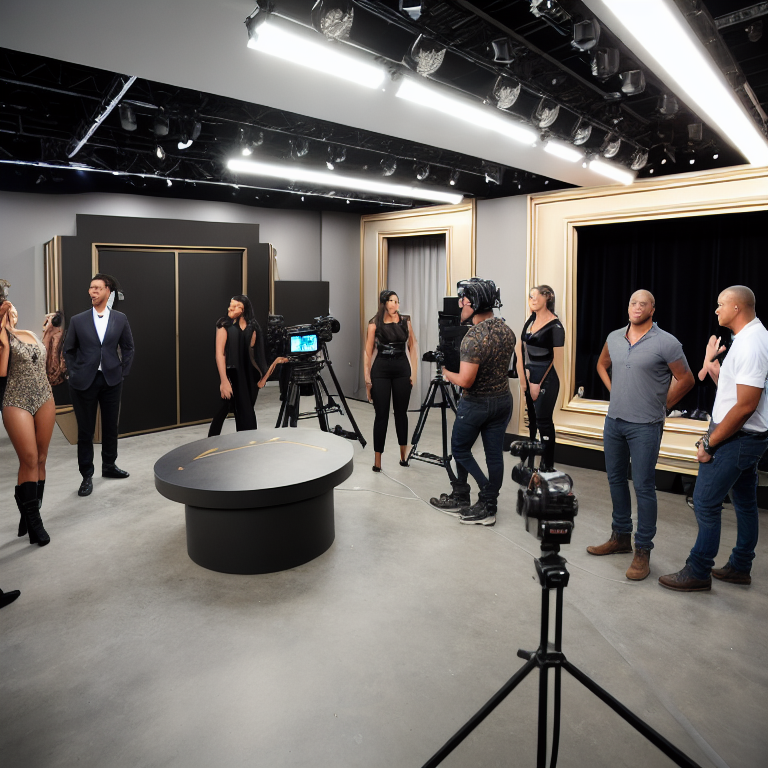
The moments between takes can be just as interesting as what you see on screen. Cast members often have to repeat actions or conversations multiple times to get the perfect shot. This means that a five-minute scene you see on TV might have taken hours to film, with multiple takes and different camera angles.
During breaks, cast members might receive instructions from producers about what to do next or how to approach a situation. They might also be given time to prepare for upcoming scenes or events. This behind-the-scenes direction helps maintain the show’s narrative flow and ensures that key story points are covered.
Many reality TV stars have shared stories about how different the experience feels from what viewers see. They might be told to “turn up the drama” or to react more strongly to situations. Sometimes, producers will even ask cast members to redo reactions if they weren’t strong enough for television. This doesn’t mean the emotions aren’t real, but they might be amplified for the camera.
The Editing Room Magic
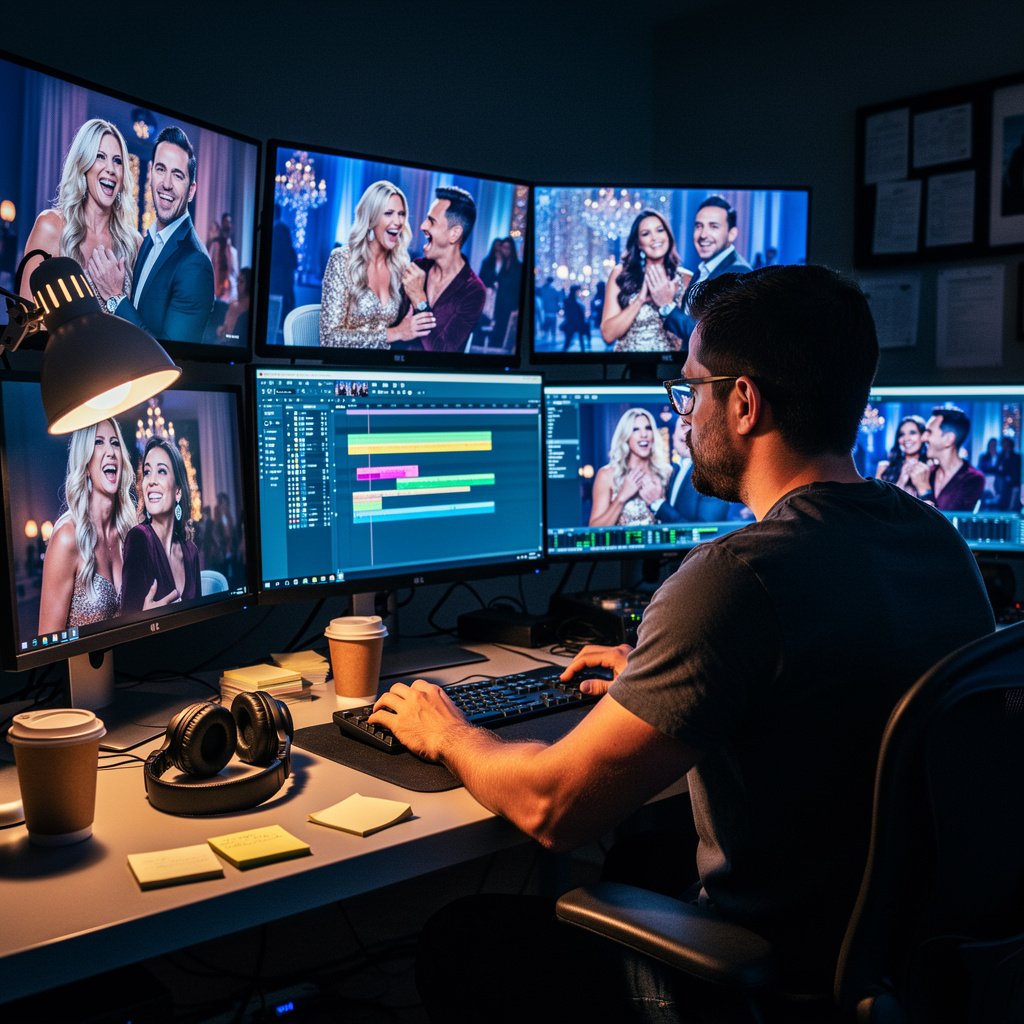
Perhaps the most significant part of reality TV production happens in the editing room. Editors have the power to shape the narrative by choosing which footage to use and how to arrange it. They can create heroes and villains, build suspense, and even change the meaning of conversations through careful editing.
A classic example is the “frankenbite,” where editors take a small piece of audio from one moment and combine it with video from another moment to create a new scene. This technique can make it seem like someone said something they never actually said, or make reactions appear more dramatic than they were in reality.
Editors also have to deal with hours of footage, often condensing days of filming into just a few minutes of television. They choose the most entertaining or dramatic moments and arrange them to tell the most compelling story possible. This is why you might see a conflict escalate quickly on screen, even though it actually developed over a much longer period.
How Long Reality TV Actually Takes to Film
What looks like a week of events on your screen might have actually taken a month or more to film. Reality TV productions often shoot for weeks or even months to capture enough content for a single season. This extended filming schedule allows producers to capture a wide range of moments and gives them plenty of material to work with in editing.
During this time, cast members might be living together in a house or spending every day together, which creates natural drama and relationships. However, they’re also constantly being filmed, which can change how people behave. Many reality TV stars report feeling exhausted by the end of filming because they’re always “on” and aware of the cameras.
The production schedule also means that events you see in one episode might have actually happened weeks apart in real life. Editors rearrange the timeline to create the most engaging story, which is why you might see someone wearing different outfits in scenes that are supposed to be happening back-to-back.
The Money Side of Reality TV
Many people don’t realize that reality TV stars often get paid for their appearances, and the amounts can vary dramatically. Some shows pay their cast members per episode, while others provide a lump sum for the entire season. The pay can range from a few hundred dollars for smaller shows to tens of thousands for major network productions.
Beyond the direct payment, many reality TV stars find ways to monetize their fame through social media, appearances, and product endorsements. Some even launch their own businesses or product lines based on their TV exposure. This financial aspect adds another layer to the reality TV experience, as cast members might be motivated by both the show’s drama and the potential for financial gain.
Production companies also have to budget for locations, equipment, crew salaries, and post-production costs. Despite being cheaper to produce than scripted shows, reality TV is still a significant investment for networks and production companies. This financial pressure can sometimes influence creative decisions and how the show is edited.
How Reality TV Affects Mental Health
The reality TV experience can be incredibly stressful for participants. Being constantly filmed and having your personal life exposed to millions of viewers can take a serious toll on mental health. Many reality TV stars have spoken out about experiencing anxiety, depression, and other mental health challenges both during and after their time on the show.
The pressure to perform for the cameras and maintain a certain image can be overwhelming. Cast members might feel like they have to be entertaining all the time or worry about how they’ll be portrayed in the final edit. Some have reported feeling isolated from friends and family during filming, as they’re often not allowed to have contact with the outside world.
After the show airs, the experience can continue to affect mental health. Dealing with public criticism, online harassment, and the sudden change in lifestyle can be difficult to navigate. Some reality TV stars have needed professional support to process their experiences and adjust to life after the show.
The Future of Reality TV
Reality TV continues to evolve as audiences become more sophisticated and aware of production techniques. Many viewers now understand that what they’re seeing is a carefully crafted version of reality, which has led to changes in how shows are produced and marketed.
Some newer reality shows are embracing a more authentic approach, showing more of the production process and being more transparent about how scenes are created. Others are experimenting with new formats that blur the line between reality and scripted content even further.
The rise of social media has also changed reality TV, with many shows now incorporating elements like live voting, social media interactions, and real-time audience feedback. This creates a more interactive experience but also adds new challenges for producers who have to manage both the traditional production and the social media component.
TITLE_START###
Top 5 Reality Shows That Actually Help You Learn New Skills
If you’re interested in reality TV that goes beyond drama and entertainment, check out our article on Top 5 Reality Shows That Actually Help You Learn New Skills. These shows prove that reality TV can be both entertaining and educational, teaching viewers everything from cooking techniques to home renovation skills.
TITLE_START###
How to Audition for Reality TV Shows Without Experience
Ever dreamed of being on reality TV yourself? Our comprehensive guide on How to Audition for Reality TV Shows Without Experience breaks down everything you need to know about the casting process, what producers are looking for, and how to stand out from the thousands of other applicants.
TITLE_START###
From Hand-Drawn Dreams to Digital Worlds: The Journey of Animation
While we’re talking about entertainment production, you might enjoy learning about the fascinating evolution of another form of visual storytelling in our piece on From Hand-Drawn Dreams to Digital Worlds: The Journey of Animation. It’s amazing to see how both animation and reality TV have transformed over the years.
Frequently Asked Questions About Reality TV
Is everything on reality TV fake?
Not everything is fake, but it’s also not completely real. Most reality TV shows are a mix of real moments and producer-guided situations. The emotions and reactions you see are usually genuine, but the situations might be set up or encouraged by the production team.
How much do reality TV stars get paid?
Payment varies widely depending on the show and network. Some reality TV stars make a few hundred dollars per episode, while others on major network shows can make tens of thousands. Some shows also provide housing, food, and other perks in addition to direct payment.
Can reality TV stars have their phones or contact family during filming?
Most reality TV shows restrict phone use and outside contact during filming to maintain the show’s integrity and prevent spoilers. Cast members are often completely cut off from the outside world for weeks or months at a time.
How long does it take to film a season of reality TV?
Filming schedules vary by show, but most reality TV seasons take anywhere from a few weeks to several months to film. What looks like a week of events on screen might actually represent a month or more of real-time filming.
Do reality TV stars get to see the final edit before it airs?
Most reality TV contracts don’t allow cast members to see the final edit before it airs. This is to prevent them from trying to control their narrative or sharing spoilers. They typically see the episodes for the first time when the audience does.
Why do reality TV shows always have so much drama?
Producers intentionally cast people who are likely to create drama and set up situations that will generate conflict. They also have the power to shape the narrative in editing, which can make minor disagreements seem much more dramatic than they actually were.
Conclusion
Reality TV is a complex and fascinating world that combines real human experiences with careful production techniques. While what you see on screen might not be completely authentic, it represents a unique form of entertainment that continues to evolve and captivate audiences worldwide.
Understanding the behind-the-scenes secrets of reality TV can help you enjoy these shows more fully, appreciating both the genuine moments and the skilled production work that goes into creating them. Whether you’re a casual viewer or a reality TV superfan, knowing what really happens behind the scenes adds a whole new dimension to the viewing experience.
The next time you watch your favorite reality show, remember that you’re seeing just a small part of a much larger production. The drama, the relationships, and even the conflicts are all part of a carefully crafted entertainment experience that brings millions of people together each week. And now that you know some of the secrets, you can watch with a more informed and appreciative eye.